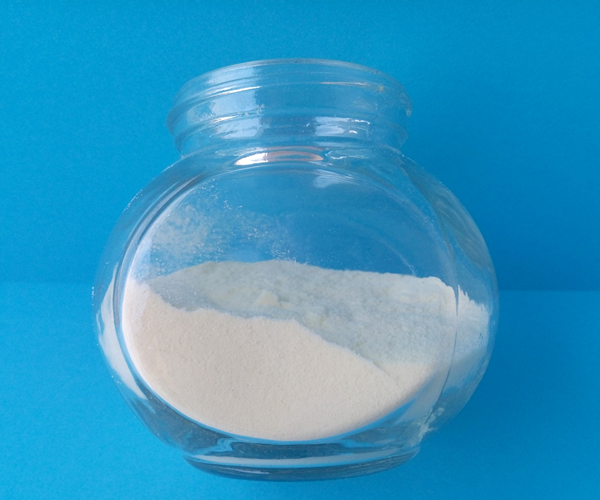
Trilostane est inhibitor isoformum 3β-HSD et 3β-HSD2 enzyme 3β-hydroxysteroidis dehydrogenas., quae partes agit in biosynthesi steroideis glandularum. Indagatores putant Arg195 in 3∫-HSD versus Pro195 in 3β-HSD2 attributos auctori inhibitionis 3β-HSD, sed non 3β-HSD2 a Trilostane.
Trilostane adhibetur in curatione syndromi Cushing. Solet adhiberi in brevi curationis tempore, donec permanenter illic fieri potest.
Trilostane cuneos enzyme implicatus in productione plurium steroidum comprehendentium cortisol. Inhibentes hoc enzyme productionem cortisoli vetat. In syndrome Cushing, glandulae overproduces steroids. Quamvis steroids magni momenti sunt pro variis corporis functionibus, nimium potest causare problems. Trilostane minuit moles steroids ab glandulae adrenal productae.
Trilostane suppressionem cortex adrenalis producit, inhibendo conversionem enzymaticam steroidum ab 3-beta-hydroxysteroideis dehydrogenas/delta. 5,4 ketosteroid isomerase, ita interclusio synthesis adrenalis steroids.
Ad curationem mulierum post-menopausalium quae carcinomata hormona-selectiva ultra pectus dilatata sunt, in medicina morbi progressio tardat dupliciter. Hormone-sensitivo cancer, estrogen per partes receptorum duorum generum ad incrementum cellae cancri promovendae, receptor estrogen sicut cancer accelerator, receptor estrogen beta est fregit. Modrenal auget estrogen receptor beta-estrogen adsorption, dum reducendo munus receptor estrogen. Eodem tempore etiam in alio situ cellularum DNA AP1 agit, ad cellulam multiplicationem reducendam.