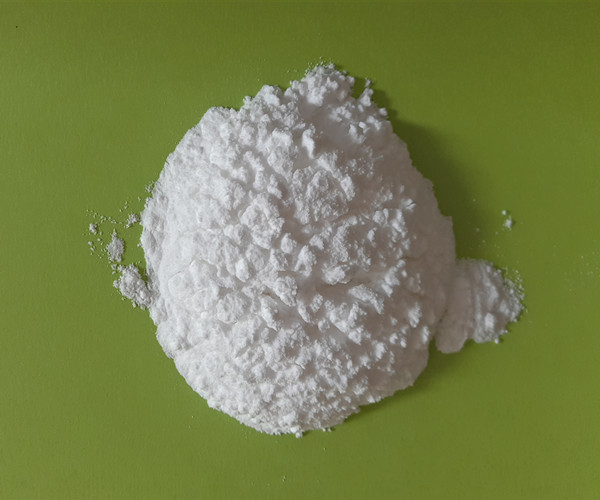
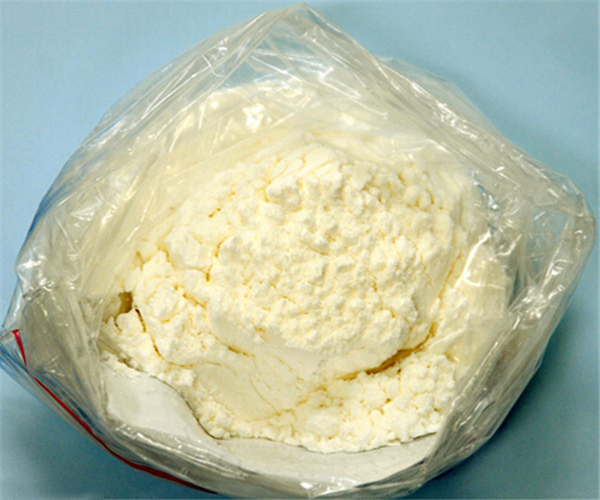
La tibolona es un fármaco esteroide sintético con propiedades estrogénicas., progestágeno, y acciones androgénicas débiles que se introdujo en 1988 y se utiliza ampliamente en Europa, Asia, Australasia, y, con excepción de estados unidos (donde no está disponible), el resto del mundo.
Se utiliza principalmente para el tratamiento de la endometriosis.,así como terapia de reemplazo hormonal en mujeres posmenopáusicas. La tibolona tiene una eficacia similar o mayor en comparación con los medicamentos de reemplazo hormonal más antiguos., pero comparte un perfil de efectos secundarios similar. También se ha investigado como un posible tratamiento para la disfunción sexual femenina..
La tibolona es el primero de una clase de compuestos conocidos como reguladores selectivos de la actividad estrogénica tisular.. Está estructuralmente relacionado con los derivados de 19-nortestosterona y exhibe efectos estrogénicos débiles., actividades progestágenas y androgénicas. La tibolona en sí no tiene actividad biológica.. Los diversos efectos hormonales de la tibolona resultan de la acción de varios metabolitos clave en diversos tejidos..
La tibolona se metaboliza principalmente en isómeros δ4,3β-hidroxi y 3α-hidroxi. Estos isómeros tienen diferentes afinidades de unión al estrógeno., receptores de progesterona y andrógenos1. El 3α?Los metabolitos hidroxi y 3β-hidroxi se unen únicamente al receptor de estrógeno., mientras que el isómero δ4 tiene afinidad por los receptores de progesterona y andrógenos, pero no para el receptor de estrógeno.