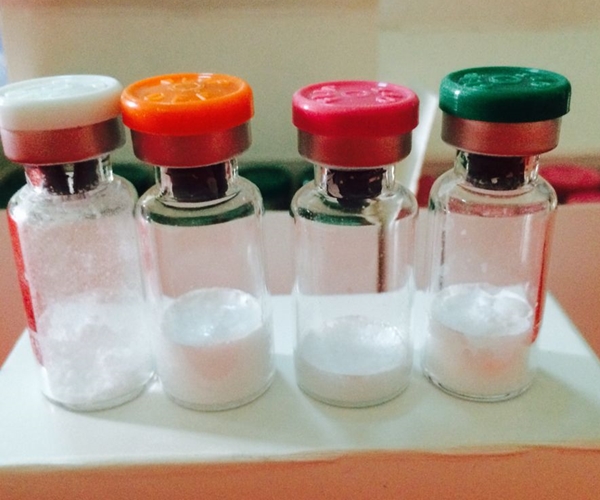
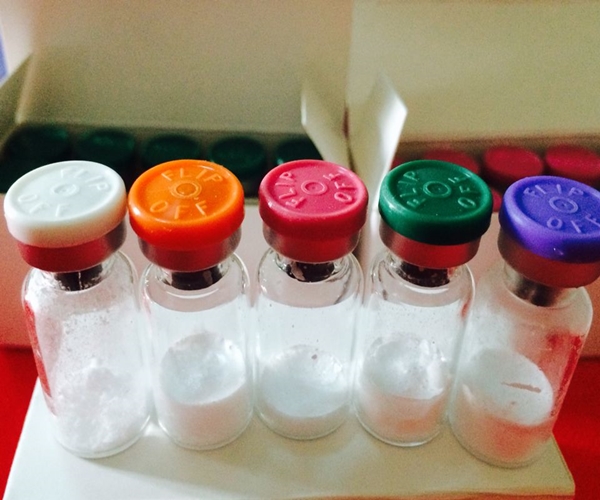
Usage : Nam inductio laboris, postpartum oxytocin, et abortum debitum ad vteri atonia aut retractio per malos uteri sanguinem; Intelligere placental munus Subsidium (Oxytocin provocare test); nasi guttae potest promovere lac ejection.
Oxytocin (Oxt) est mammalian neurohypophysial hormone. Produci per hypothalamus et condita et secretus a posterius pituitam glandulae, oxytocin neuromodulator in cerebro praesertim agit.
Oxytocin magni momenti munus agit in neuroanatomy familiaritatis, scilicet in reproductione utriusque sexus, maxime in et post partum; nomen suum, significatio “puerperium”, venit ex Graeco, oksys “celeri” et , casus “nativitas.” Multum solvitur post distensionem cervicis et uteri in labore, faciliorem reddere nativitatem, materna compage, et, post titillationem papillarum, lactatio. Utraque puerperium et lac eiectionem consequuntur ex mechanisms positivum feedback.
Applicationem:
analoga oxytocinorum injecta adhibentur ad inductionem laboris et ad laborem sustinendum in casu parturitionis difficilis. Plerumque ergometrinum ut agens principale reposuit ad augendum tonum uteri in acuta postpartum haemorrhagiae. Oxytocin quoque in medicina veterinaria ad partum faciliorem reddendam et ad lac emissio incitandum adhibetur. tocolyticagent atosiban (Tractocile) acts ut adversario oxytocin receptoribus; hoc medicamentum in multis regionibus ad laborem praematurum relatus est 24 et 33 hebdomades gestationis. Habet paucioribus latus effectus, quam medicinae antea ad hanc rem usus est (ritodrine, salbutamol, et terbutaline).