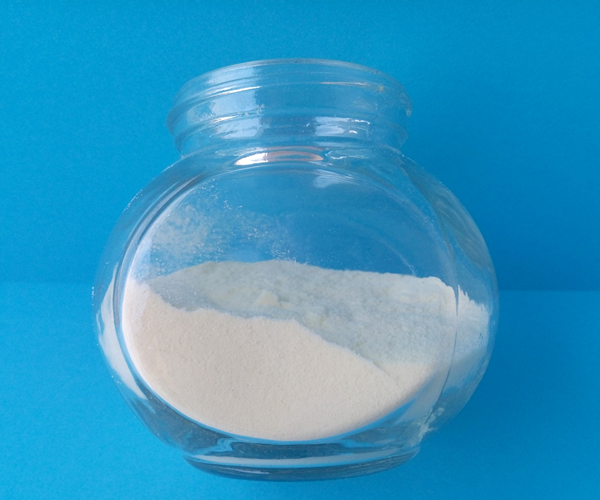
Pregnenolona (3β-hidroxipregn-5-en-20-ona), também conhecido como P5, é um hormônio esteróide endógeno. É o precursor dos progestágenos, mineralocorticóides, glicocorticóides, andrógenos, e estrogênios, bem como os esteróides neuroativos. Além disso, pregnenolona é biologicamente ativa por si só, agindo como um neuroesteróide.
Como outros esteróides, pregnenolona consiste em quatro hidrocarbonetos cíclicos interligados. Contém grupos funcionais cetona e hidroxila, two methyl branches, and a double bond at C5, in the B cyclic hydrocarbon ring. Like many steroid hormones, it is hydrophobic. Its esterified version, pregnenolone sulfate, is water-soluble.
Pregnenolone is used for fatigue and increasing energy; Alzheimer’s disease and enhancing memory; trauma and injuries; as well as stress and improving immunity. It is also is used for skin disorders including psoriasis and scleroderma. Women use pregnenolone for lumpy breasts (fibrocystic breast disease), a disorder of the lining of the uterus (endometriosis), symptoms of menopause, andpremenstrual syndrome (Pm). Some people use pregnenolone for slowing or reversing aging, arthritis, anddepression. It is also used for strengthening the heart, allergic reactions, “detoxification,” lupus, multiple sclerosis (EM), prostate problems, and seizures. Because the body uses pregnenolone to make many hormones, pregnenolone was studied for stress, fatigue, and arthritis in the 1940s before lab-made hormones became available.