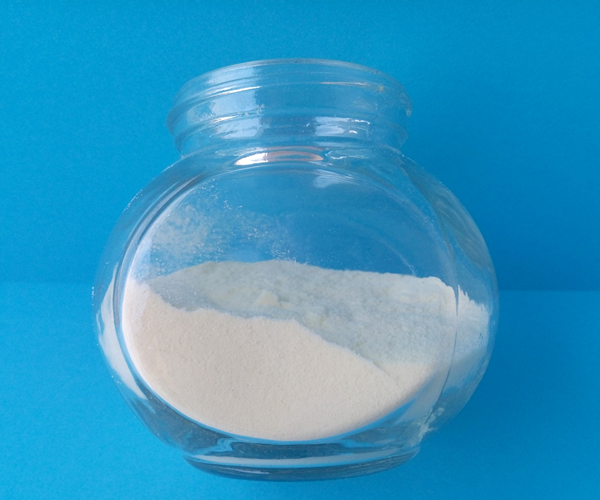
El etinilestradiol es una forma artificial de la hormona femenina natural llamada estrógeno.. Se prescribe para tratar el período. (menstrual) problemas, y también para ayudar a aliviar los síntomas de la menopausia.. Por lo general, se prescribe junto con otra hormona femenina llamada progestágeno..
Etinilestradiol también escrito a veces como etinilestradiol, etinilestradiol, o etinilo? estradiol, es un derivado del 17β -estradiol (E2), El principal estrógeno endógeno en humanos.. EE es un estrógeno bioactivo por vía oral que se utiliza en muchas formulaciones de píldoras anticonceptivas orales combinadas.. Es uno de los medicamentos más utilizados para este fin..
Estinyl era una preparación de EE sola que se utilizaba para el tratamiento de los síntomas de la menopausia y el hipogonadismo femenino..
El EE se libera al medio ambiente como xenoestrógeno a partir de la orina y las heces de las personas que lo toman como medicamento..
1) utilizado para prevenir el embarazo. contiene 2 hormonas: una progestina y un estrógeno. Actúa principalmente impidiendo la liberación de un óvulo durante el ciclo menstrual.. It also makes vaginal fluid thicker to help prevent sperm from reaching an egg and changes the lining of the uterus to prevent attachment of a fertilized egg. If a fertilized egg does not attach to the uterus, it passes out of the body.
2) preventing pregnancy, birth control pills may make your periods more regular, decrease blood loss and painful periods, decrease your risk of ovarian cysts, and also treat acne.
3) Ethinyl Estradiol is a semisynthetic estrogen. Ethinyl estradiol binds to the estrogen receptor complex and enters the nucleus, activating DNA transcription of genes involved in estrogenic cellular responses. This agent also inhibits 5-alpha reductase in epididymal tissue, which lowers testosterone levels and may delay progression of prostatic cancer. In addition to its antineoplastic effects, ethinyl estradiol protects against osteoporosis. In animal models, short-term therapy with this agent has been shown to provide long-term protection against breast cancer, mimicking the antitumor effects of pregnancy.