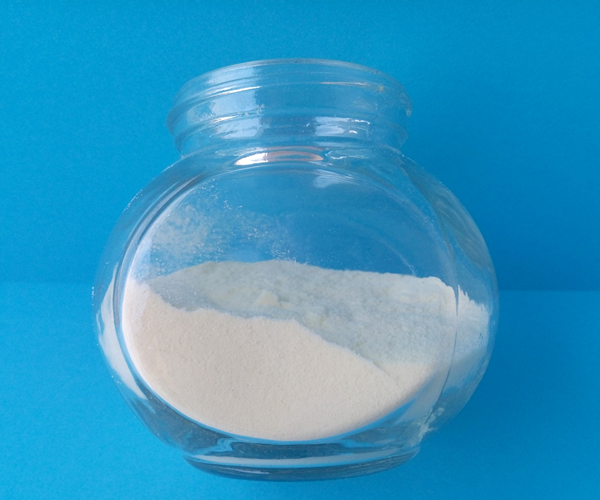
Estradiol (llamado α – estradiol o 17α – estradiol) Para células de cáncer de mama humano en cultivo de tejidos, estrógeno biológicamente activo. No es parte del 17- y receptor de estrógeno selectivo (IS-X) hormona tradicional / receptor del sistema endocrino, Pero un importante autócrino / La función paracrina del sistema es parte del crecimiento en el cerebro adulto. En la menopausia, and neurodegenerative diseases (eg Alzheimer’s disease and ischemic stroke) treatment, 17- estradiol may have important implications for hormone replacement therapy thing.
The development of secondary sex characteristics in women is driven by estrogens, to be specific, estradiol. These changes are initiated at the time of puberty, most are enhanced during the reproductive years, and become less pronounced with declining estradiol support after the menopause. De este modo, estradiol enhances breast development, and is responsible for changes in the body shape, affecting bones, joints and fat deposition. Fat structure and skin composition are modified by estradiol.
Estradiol (known as α-Estradiol or 17 α-Estradiol) is a biologically active estrogen in human breast cancer cells in tissue culture. 17-Εstradiol and its selective receptor, IS-X, are not part of a classical hormone/receptor endocrine system but of a system with important autocrine/paracrine functions in the developing and adult brain.
17-Estradiol may have enormous implications for hormone replacement strategies at the menopause and in the treatment of such neurodegenerative disorders as Alzheimer’s disease and ischemic stroke.