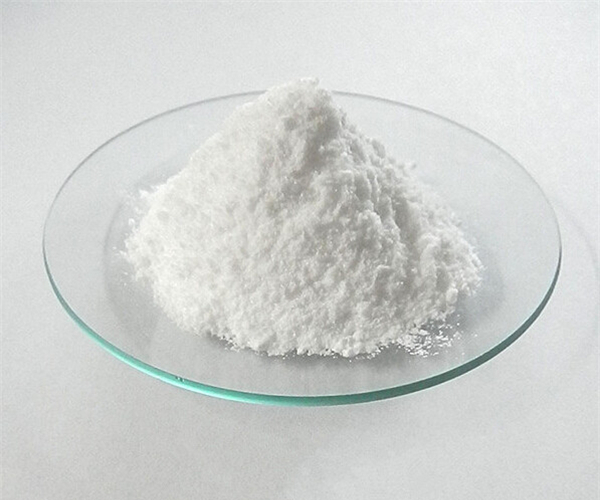
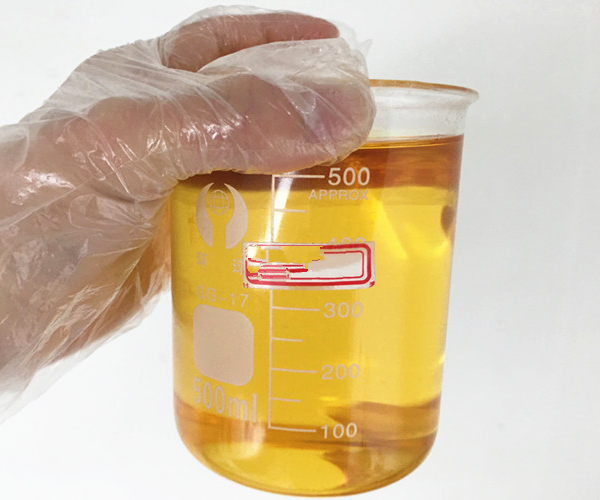
Trestolonacetat(MENT) ist eigentlich eine ganz gut aussehende Droge. Es zeigt keine große Wechselwirkung mit Sexualhormon-bindendem Globulin, Das bedeutet, dass ein großer Teil ungebunden und aktiv im Blut bleiben sollte. Ebenfalls, Das Medikament bindet stark an den Androgenrezeptor, während es eine minimale Affinität zu den Progesteron- bzw. Mineralocorticoid-Rezeptoren zeigt. Da es nicht zu einer Dihydro-Version 5a-reduziert werden kann. Es würde wahrscheinlich nicht viele der Nebenwirkungen verursachen, die üblicherweise mit Dihydrotestosteron verbunden sind. Dies ist wahrscheinlich auch ein Grund dafür, dass es weniger wahrscheinlich zu einer Prostatavergrößerung führt, und kann sogar zur Behandlung spezifischer Prostataprobleme indiziert sein. Die Fähigkeit von 7 Alpha-Methyl-19-Nortestosteronacetat (MENT) Das Gewicht der ventralen Prostata und der Samenbläschen kastrierter Ratten zu erhöhen, war viermal höher als das von Testosteron, während es sich auf das Gewicht der Muskeln Bulbocavernosus und Levator ani auswirkt (Muskel), War 10 mal so viel wie Testosteron.
Verschiedene Formen von MENT in humanpharmazeutischen Präparaten und Geräten zur Empfängnisverhütung und Hormontherapie, insbesondere MENT Ac-Implantat- und MENT transdermale Gel- und Pflasterformulierungen, befinden sich derzeit in der klinischen Untersuchung. MENT wird bis zu dreimal so schnell transdermal absorbiert wie Testosteron – 17 Methyltestosteron und 17-α-Methyltestosteron.
MENT wird in einem breiten Spektrum von Indikationen Anwendung finden, die über die Androgenersatztherapie und Empfängnisverhütung hinausgehen, einschließlich, ohne Einschränkung, primärer Hypogonadismus, Hodenversagen, ASIH, Kahlheit, Sarkopenie, Verlust der Knochenmasse, Muskelschwund und Kachexie, BPH, Prostatakrebs und natürlich, Bodybuilding und sportliche Leistungssteigerung.
Trestolonacetat ist die chemische Bezeichnung des Wirkstoffs bei MENT. MENT ist eine eingetragene Marke des Population Council, Inc. in den Vereinigten Staaten und/oder anderen Ländern.